
How We Digitize Logos for Small Chest Embroidery
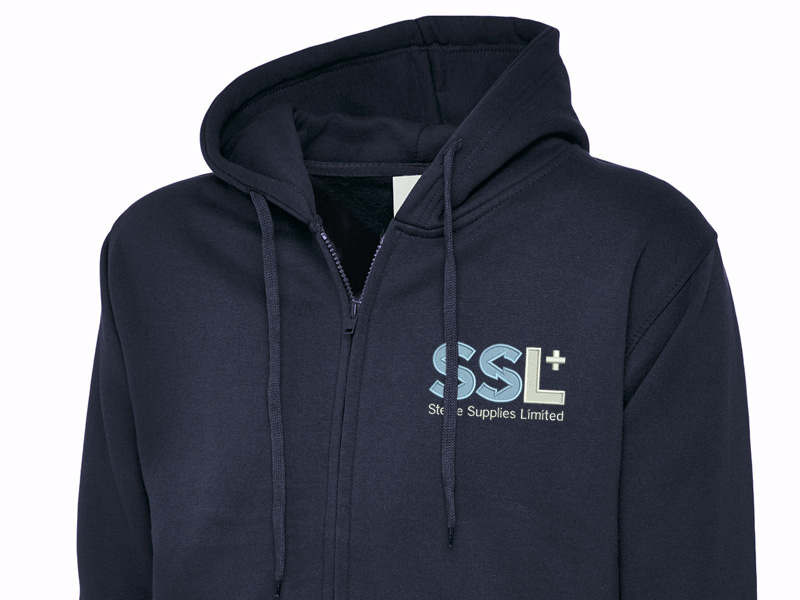
The Process Behind Clean, Professional Left-Chest Branding
If you’ve ever wondered why some embroidered logos look sharp and premium, while others look puckered, uneven or distorted - the difference usually comes down to digitizing.
At My Garment Factory, we don’t just “convert” artwork into stitches. We carefully prepare and engineer every design specifically for the garment it’s going onto.
Here’s how we digitize logos for small chest embroidery (typically 90mm left-breast placement on workwear, hoodies and sweatshirts).
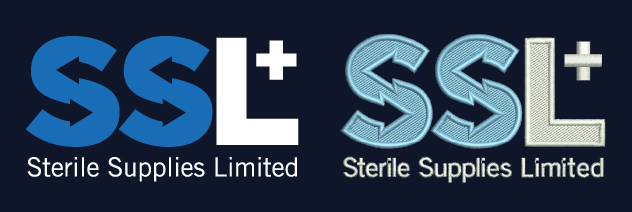
What Is Embroidery Digitizing?
Digitizing is the process of converting your logo into a stitch file that embroidery machines can read.
It’s not automatic.
It’s not just uploading a file.
And it definitely isn’t the same as print.
Every stitch, angle, density and sequence is chosen deliberately.
Step 1: We Start With the Right Setup
Before digitizing begins, we confirm:
- Final artwork (vector preferred)
- Finished size (most commonly 90mm wide for chest)
- Garment type (polo, hoodie, fleece, softshell etc.)
- Brand thread colours
Small chest embroidery needs to be scaled properly. What works on a back print won’t always work at 90mm.
Step 2: Preparing Your Logo for Stitching
Embroidery cannot reproduce ultra-fine detail like print.
So we:
- Simplify very small elements
- Remove gradients
- Strengthen thin lines
- Ensure small text will remain readable
As a rule of thumb, text below 4–5mm high often won’t stitch cleanly, so we adjust where needed to maintain a professional finish.
Step 3: Choosing the Correct Stitch Types
Different parts of your logo require different stitches:
- Satin stitch → Ideal for lettering and clean borders
- Tatami (fill) stitch → Used for larger blocks of colour
- Running stitch → Fine detailing or subtle outlines
Choosing the correct stitch type prevents thread breaks, distortion and heavy-looking embroidery.
Step 4: Adding Underlay (The Hidden Foundation)
Underlay is the foundation layer beneath the visible stitching.
It:
- Anchors the design to the fabric
- Prevents stitches from sinking into fleece or hoodies
- Improves edge sharpness
Without proper underlay, embroidery can look thin and uneven, especially on sweatshirts or thicker material.
Step 5: Adjusting Density & Pull Compensation
Fabric moves when stitched.
If this isn’t accounted for, circles become ovals and text becomes squashed.
We adjust:
- Stitch density (to prevent puckering)
- Pull compensation (to counteract fabric tension)
- Stitch length (to avoid breaks or loose threads)
These small technical settings make a huge difference in final quality.
Step 6: Smart Stitch Direction & Sequencing
The order stitches run in matters.
We plan the stitch path to:
- Reduce unnecessary trims
- Prevent gaps between colours
- Improve stability
- Create clean, professional flow
This also keeps production efficient and consistent across repeat orders.
Step 7: Stabiliser & Production Setup
For most sweatshirts and hoodies, we use:
- Medium-weight cut-away backing
- Water-soluble topping if fabric is fluffy
- Correct needle size (typically 75/11)
The right backing prevents rippling and distortion after washing.
Step 8: Test Stitch Before Full Production
We always test new designs.
We check for:
- Puckering
- Distortion
- Gaps between shapes
- Thread breaks
- Text clarity
- Overall finish
Only once everything is clean and balanced do we move to production.
Why This Matters for Your Brand
Left-chest embroidery is often the most visible part of workwear branding.
Poor digitizing can make even a great logo look cheap.
Proper digitizing ensures:
✔ Clean edges
✔ Sharp text
✔ Consistent sizing
✔ Durability through washing
✔ Professional brand presentation
At My Garment Factory, quality isn’t just about the garment, it’s about how your logo is engineered to sit on it.
Need Your Logo Embroidered?
Whether you’re ordering branded hoodies, sweatshirts, polos or corporate workwear, we ensure your embroidery is digitized correctly from the start.
If you’d like advice on whether embroidery or print is best for your design, get in touch! We’re happy to guide you.